
Nothing is worse than entering your bathroom and seeing waste seeping up through your bathtub drain. If you see sewage appearing where it shouldn’t, you could be dealing with a sewer backup. This smelly, messy, and costly plumbing issue can be a nightmare for homeowners, thus, it’s important to understand what causes them and how to prevent them. Knowing how to protect your home from sewer backups will save you serious time, money, and headaches down the road. Let’s break down the most common culprits — and what you can do to keep your pipes functioning properly.
Tree Root Infiltration
Why It Happens: As tree roots grow, they can pose a risk to your sewer line. Cracks, leaks, and pipe joints can attract tree and shrub roots, causing significant damage, blockages, and backups when they reach the pipes and continue to grow. Once roots have entered your sewer line, the only way to fix it is to cut the roots, then repair the damage.
How to Prevent It: Avoid planting trees near sewer lines and use root-killing treatments annually if you have had issues in the past. Consider also scheduling regular inspections, especially if you have older clay or cast-iron pipes.
Clogged Pipes from Improper Disposal
Why It Happens: When it comes to your toilet, you should only flush human waste and toilet paper. Flushable wipes, though they can be flushed, don’t break down and cause clogs. This is the same for feminine hygiene products and paper towels and grease in your kitchen drains. These clogs can grow bigger and cause sewer backups.
How to Prevent It: Don’t throw anything in your toilet and drains, and pour grease into a container and dispose of it in the trash. If needed, post a reminder near sinks or toilets; this is especially helpful in households with kids.

Aging or Damaged Sewer Lines
Why It Happens: As sewer lines age, they may naturally become cracked, misaligned, or even collapse — especially in older homes or homes with clay or cast iron pipes. This damage can lead to frequent backups and even structural damage.
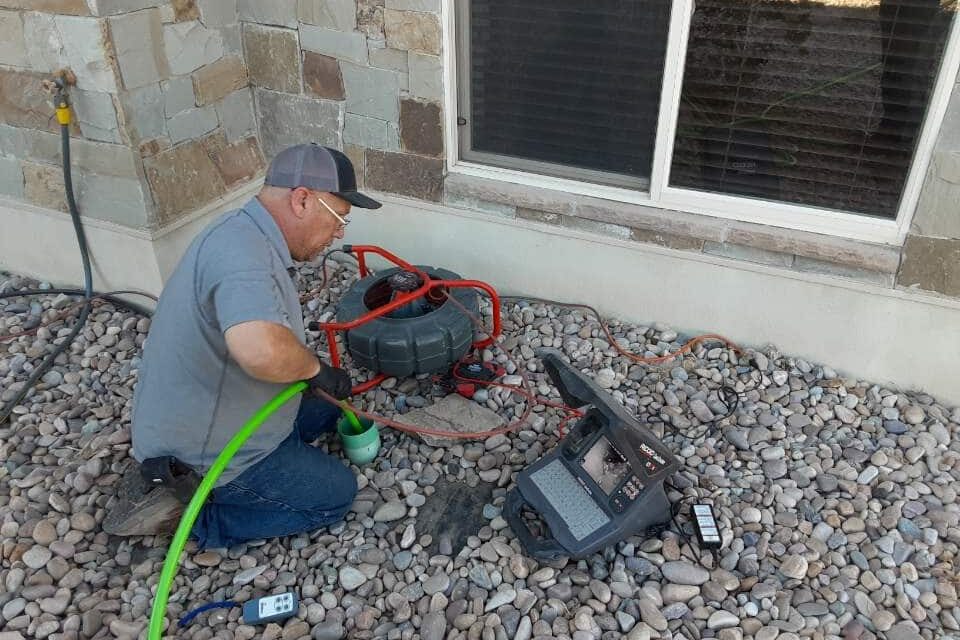
How to Prevent It: If you are buying an older home, ask for a sewer scope as part of the inspection process. If you already own a home, get a sewer camera inspection every few years and consider a trenchless sewer line repair or replacement if your line is severely damaged.
Heavy Rain and Flooding
Why It Happens: During severe storms or heavy rainfall, city sewer systems can become overwhelmed. If your home is connected to a combined sewer system, water can back up into your basement.
How to Prevent It: Install a backwater valve, which is designed to prevent sewage from flowing back into your home from a public sewer. You should also ensure your yard is properly graded to direct water away from the foundation and keep gutters and downspouts clean and extended at least six feet from the house.
Sump Pump Failure
Why it Happens: If your home relies on a sump pump to move excess water out of your basement, you can experience sewer backups and basement flooding if you experience a failure, such as a loss of power, mechanical issues, or clogs.
How to Prevent It: Test your sump pump regularly, especially before storm season. Install a battery backup system and keep the discharge line clear and free of debris or ice in colder months.
Signs of a Sewer Backup
Foul Smells: The most obvious sign of a sewer backup is a persistent, foul odor coming from drains, toilets, or sinks.
Slow Drains: If you notice water draining slower than usual, you may have a blockage in your sewer line.
Water Backing Up — If you have a sewer backup, you will experience the water flowing up into your tubs, showers, or sinks.
Toilet Issues — Toilets that are slow to flush or back up after flushing could be a warning sign that you have issues in your sewer line.
Standing Water in Your Yard — Water pooling or standing in your yard, particularly near sewer lines, could indicate a sewer backup. In addition, if you notice an overgrowth of grass in certain spots of your yard, you could have a sewer issue.
You may also experience cracks in the foundation of your yard, gurgling noises from your drains, mold and mildew growth inside and outside your home, and an infestation of insects.
Sewer Backups Can Be Prevented
A sewer backup can pose a serious health risk to you and your family and lead to costly repairs. Fortunately, many of the most common causes are preventable with regular maintenance and smart habits. If you have frequent backups or just want peace of mind, consider having a professional plumber inspect your system.
Follow Us