When it comes to major plumbing issues, it can be hard sometimes to determine the source of foul odors or stubborn clogs. However, understanding where the issue lies can help you successfully get to the root cause instead of settling for a temporary fix. But how do you know whether it’s your drains or sewer line acting up? Here’s how to identify where your problem is and what to do next.
Drain Line vs. Sewer Line: What’s the Difference?
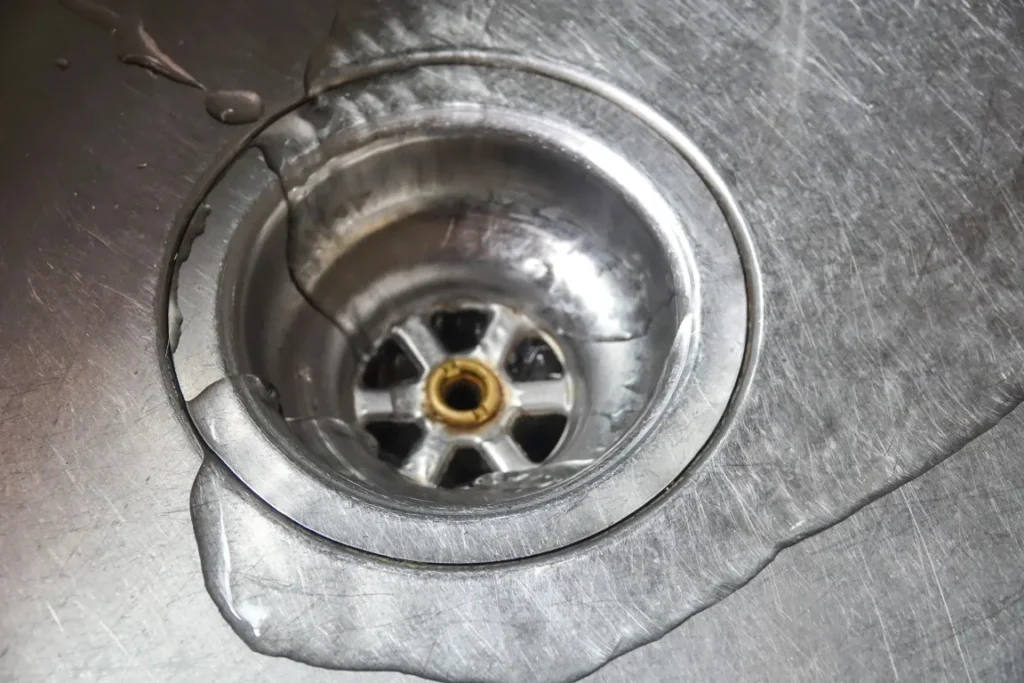
Drain lines are smaller pipes that carry wastewater from individual fixtures, such as sinks, tubs, and toilets, to your main sewer line. Drain lines are in your home, connected directly to your plumbing fixtures.
Your main sewer line is a large pipe that carries all the wastewater from your home to the municipal sewer system or your septic tank. It sits outside of your home and is buried underground.
Understanding which line is affected can help you avoid unnecessary costs and get proper help faster.
Signs It’s a Drain Line Problem
If you only have one fixture acting up, you most likely have a dain issue. Here are some signs to look for:
Slow Drainage in One Area — If your bathtub or kitchen sink takes longer than usual to drain, you may have a blockage in the drain line.
Foul Odors From One Drain — A bad smell coming from a single drain usually indicates a clog. If the odor comes from your kitchen sink, it may be from a buildup of food particles and grease.
Localized Backups — If you flush a toilet and the water backs up into that same toilet or the nearby tub, it is most likely a problem in the surrounding pipes.
Gurgling Sounds — If you hear gurgling when using a particular fixture, there is most likely air trapped in the drain vent or pipe.
What to Do: You may be able to clear the clog yourself using a plunger, drain snake, or enzyme cleaner. However, if the blockage is stubborn or deep in your pipes, you may need a professional cleaning.
Signs It’s a Sewer Line Problem
If you notice issues in multiple areas of your home, the problem may lie in your main sewer line. Watch for these red flags:
Multiple Slow Drains — If more than one drain takes longer than usual to drain, especially on the lower level of your home, you may have a sewer blockage.
Backups in Multiple Fixtures — If you flush the toilet and water backs up into multiple sinks, showers, or bathtubs, you could have a serious issue in your sewer line.
Sewage Smells Inside or Outside — If you smell raw sewage in multiple rooms of your home or even in your backyard, you could have a sewer line blockage forcing sewer gases back up into your plumbing.
Strange Sounds from Multiple Fixtures — Bubbling or gurgling sounds from various drains could mean you have air trapped in your sewer line or an issue with venting.
Standing Water or Soggy Patches in the Yard — If you notice puddles, soggy patches, or overly lush areas of your yard, you could have a broken sewer pipe.
Increased Pests — Rodents and insects are attracted to sewer line breaks and leaks, so an increase in pest activity around your house could be an indication of a damaged sewer line.
Foundation Cracks — Cracks in your foundation could be a sign of shifting soil or movement caused by a broken sewer line.
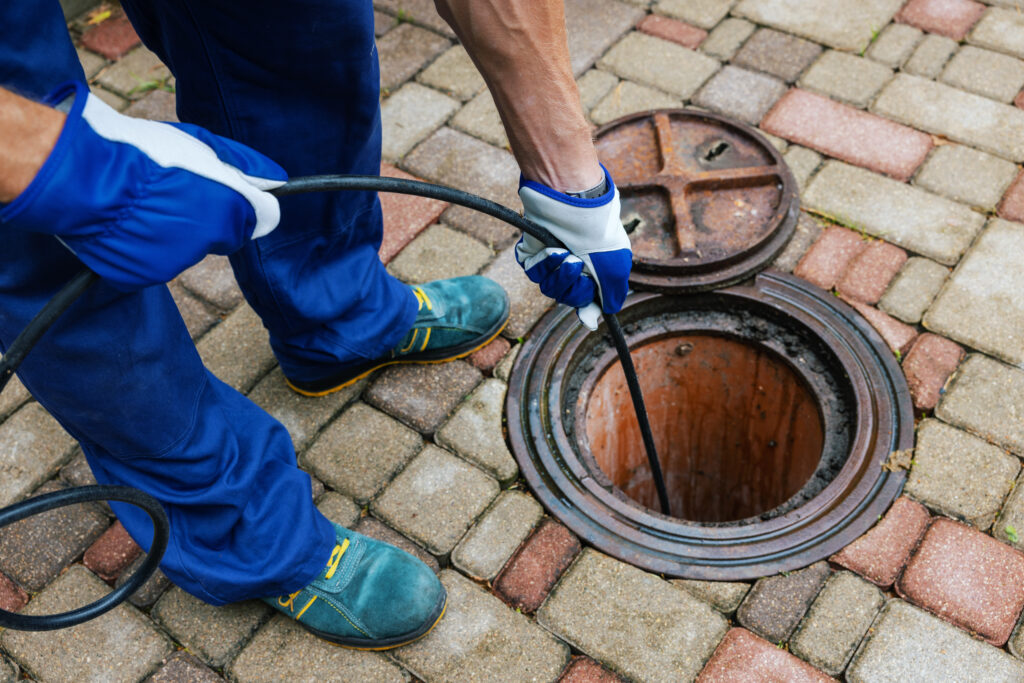
What to do: Sewer line issues require professional attention. Plumbers can use cameras to inspect the line and determine the source of the problem, whether it’s a clog, tree root, or pipe damage.
Don’t Ignore the Warning Signs
Whether it’s a simple drain clog that won’t budge or a major sewer line blockage, plumbing problems will only get worse (and more expensive) the longer they’re left untreated. If you aren’t sure what’s going on, it’s best to consult a licensed plumber to receive a proper diagnosis.
Final Tip: Know Your Home’s Plumbing Layout
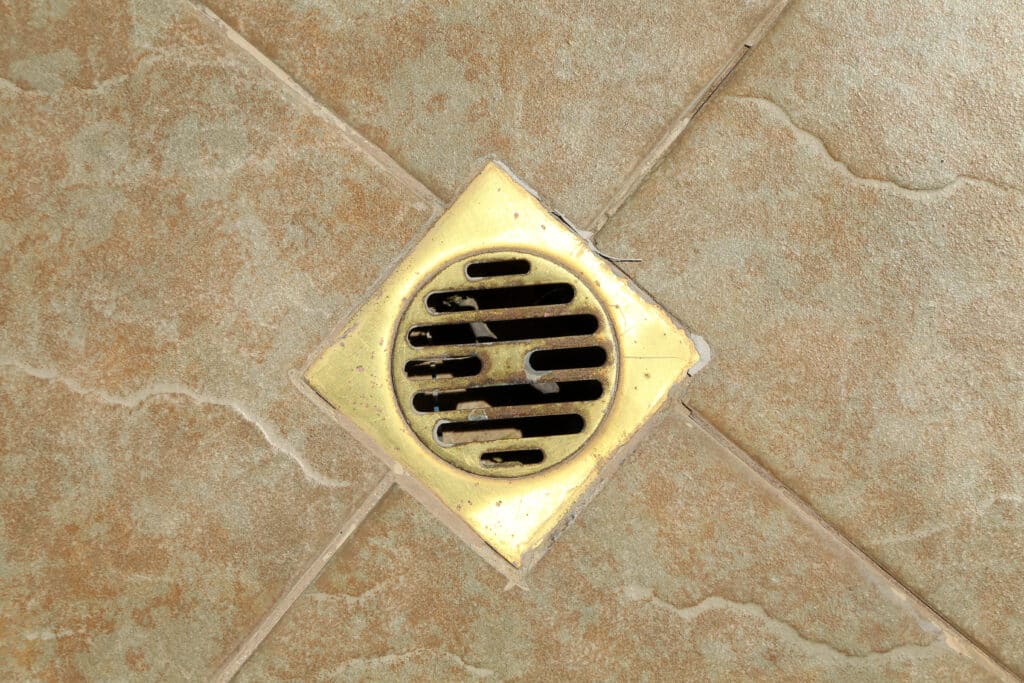
Knowing where your cleanouts are, how old your plumbing is, and whether your home has a septic system can help you and your plumber quickly locate and fix issues.
Know the Difference Between Drain and Sewer Issues
When you understand the difference between drain and sewer line problems, you save yourself time, money, and stress. While you may be able to easily fix a slow drain, widespread backups or foul odors could point to a more serious sewer line issue. Pay attention to the signs, and don’t hesitate to bring in a professional when needed.
Follow Us