
Most homeowners don’t think about their drain system until something goes wrong, such as slow-moving water, a stubborn clog, a bad smell, or a full-blown backup. But understanding how your home’s drain system works can help you spot problems early, avoid costly repairs, and keep everything flowing smoothly.
Here’s an easy-to-understand breakdown of how your home’s drain system works.
The Role of Your Drain System
Your drain system removes wastewater from sinks, toilets, tubs, showers, appliances, and floor drains. It works alongside your plumbing supply system, but instead of bringing clean water in, it safely carries used water out, either to a municipal sewerline or a private septic system. This system prevents hazardous sewer gases from entering your room, mold from growing in your walls or drains, and water from flooding your basement or other areas of your home.
Gravity does most of the work, which is why proper pipe layout and ventilation matter so much.
Drain Fixtures: Where It All Begins
Every drain system starts at a fixture, including:
- Sinks and faucets
- Toilets
- Bathtubs and showers
- Washing machines and dishwashers
- Floor drains (typically in basements and garages)
Each fixture connects to the drain system through a drain opening and a trap.
Traps: Your First Line of Defense
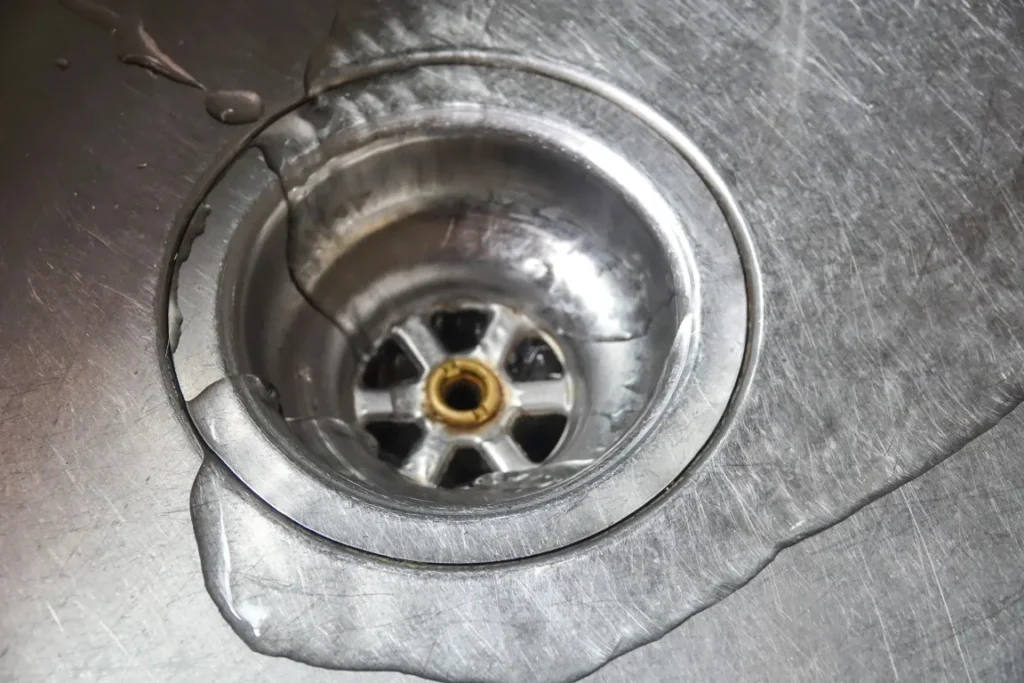
The trap (or P-trap) is the curved section of pipe (often shaped like a “P”) located beneath sinks and other fixtures.
What traps do:
- Hold a small amount of water to block sewer gases
- Prevent foul odors from entering your home
- Catch debris like hair, food, or small objects to help prevent deeper, more serious blockages
If a trap dries out or becomes clogged, you may notice worsening smells or slow drainage.
Branch Drain Lines
Brain drain lines connect individual fixtures to larger drain pipes. These pipes run inside walls, floors, or ceilings and carry wastewater toward the main drain line. They are usually hidden, but may be visible in unfinished basements.
Common issues in branch lines include:
- Grease and food waste buildup
- Hair and soap scum
- Small clogs that gradually worsen
Vent Pipes: The Unsung Heroes
Vent pipes often go unnoticed. However, they play a critical role in how well your drains work.
Vent pipes:
- Allow air into the drain system
- Prevent pressure buildup
- Help water flow smoothly
- Protect traps from being siphoned dry
You’ll usually see vent pipes extending through the roof. If a vent becomes blocked by debris, snow, ice, or nests, drains may gurgle or empty slowly.
The Main Drain Line
The main drain line collects wastewater from all branch lines and carries it out of your home. The pipe is typically larger in diameter and runs underground to connect with:
- A municipal sewer system, or
- A septic tank
Blockages in the main line often cause multiple drains to back up at once. This is a huge red flag, and homeowners shouldn’t ignore it. Clogs are often caused by tree root intrusion, collapsed pipes, and heavy grease buildup.
Cleanouts: Access Points for Maintenance
Cleanouts are capped pipe openings that allow plumbers to access the drain system to complete inspections or clear blockages.
They’re commonly found:
- Near the foundation
- In basements
- Outside the home
- Near the property line
Modern codes require cleanouts to be installed every 100 feet for pipes four inches or smaller. Knowing where these capped pipes are can save time (and money) during a plumbing emergency. Find their location and keep landscaping trimmed back for easy access.
Sewer Line or Septic Connection
Once wastewater leaves your home, it enters either:
- A municipal sewer line, or
- A septic system
Problems beyond this point, like tree root intrusion or collapsed pipes, often require professional equipment and expertise to fix safely.
Signs Your Drain System Needs Attention
Understanding your drain system helps you recognize the early warning signs of trouble, such as:
- Slow drains in multiple fixtures
- Gurgling sounds
- Persistent sewer odors
- Recurring clogs in toilets or drains
- Water backing up into sinks or tubs
Ignoring these symptoms can lead to more serious damage over time.
Why Professional Maintenance Matters
Even with careful use, drain systems naturally accumulate buildup. Routine inspections and professional drain cleaning help:
- Prevent major blockages
- Extend the life of your pipes
- Catch small issues before they turn into emergencies
The Drain System: A Critical Part of Your Home
Your home’s drain system is a complex network that works quietly behind the scenes every day. By understanding how it works, from traps to vents to main lines and cleanouts, you’re better equipped to protect your home and avoid unexpected plumbing disasters.
When in doubt, call in a professional to keep things flowing the way they should.
Follow Us