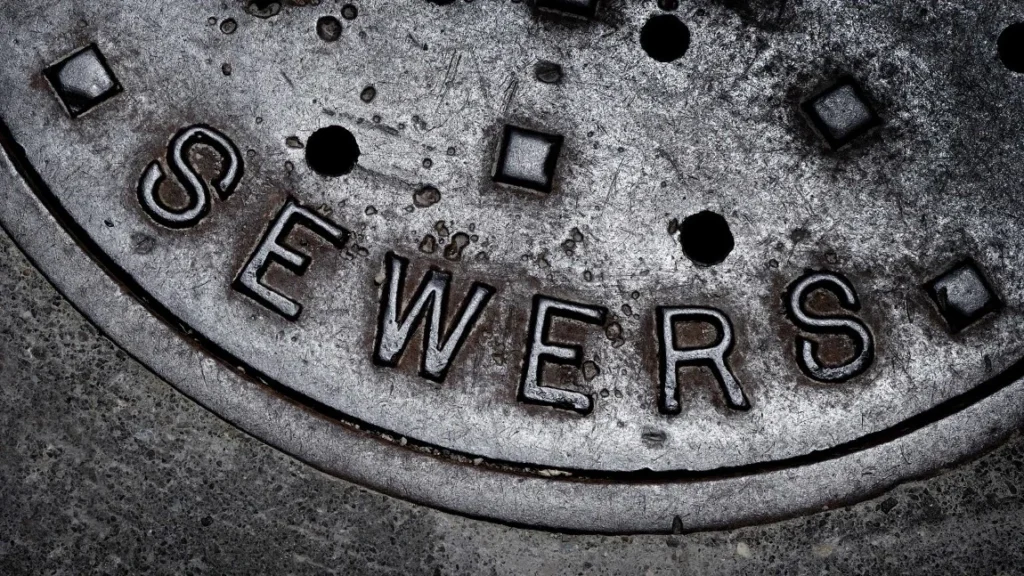
Sewer line problems are not only inconvenient but they also pose serious health risks to your household if left unaddressed. Slow drains, foul odors, or recurring backups may seem manageable at first, but they often point to deeper issues that can expose you and your family to harmful bacteria, toxic gases, and structural hazards.
Here’s a closer look at the health risks associated with untreated sewer line issues and why prompt repairs are crucial.
Exposure to Harmful Bacteria and Pathogens
Sewer lines carry wastewater filled with bacteria, viruses, and parasites. When a sewer line cracks, collapses, or backs up, these pathogens can seep into your home through drains, toilets, or even foundation cracks.
Exposure to sewage contamination can lead to:
- Gastrointestinal illnesses
- Skin and eye infections
- Respiratory issues
- Increased risk for children, seniors, and immunocompromised individuals
Even brief exposure can be hazardous, especially if sewage backup occurs in bathrooms, kitchens, or laundry areas.
Mold and Mildew Growth
Leaking sewer lines lead to excess moisture, creating the perfect environment for mold and mildew to thrive. Mold spores can spread quickly through the air and into your HVAC system, affecting indoor air quality throughout your home.
Health issues linked to mold exposure include:
- Chronic coughing or sneezing
- Headaches or fatigue
- Worsening asthma or allergies
- Sinus infections
If a sewer problem goes untreated, mold can grow quickly and be costly to remove.
Poor Indoor Air Quality
Sewer gas contains toxic compounds such as hydrogen sulfide and methane. While small amounts may only cause unpleasant odors, prolonged exposure can lead to more serious symptoms.
Common effects of sewer gas exposure include:
- Nausea and dizziness
- Headaches
- Eye and throat irritation
- Difficulty breathing
- Fatigue and weakness
In extreme cases, methane buildup can even create a fire or explosion, making sewer line issues a serious safety concern.
Contaminated Water and Surfaces
Sewer backups can contaminate floors, walls, furniture, and personal belongings. Even after cleaning up visible water, harmful bacteria can still stick to surfaces without professional sanitation.
This contamination increases the risk of:
- Cross-contamination in kitchens and bathrooms
- Lingering odors
- Long-term health concerns from repeated exposure

Pest and Insect Infestations
Cracked or damaged sewer lines can attract rodents, flies, and other pests that carry disease. These pests often enter homes through compromised pipes and drains, increasing the risk of contamination.
Rodents and insects can spread:
- Bacteria and viruses
- Allergens that trigger asthma
- Parasites that affect pets and humans
Ignoring sewer problems gives pests an open invitation into your living space.
Environmental and Structural Damage
Beyond direct health effects, sewer line problems cause significant environmental and structural damage, which can indirectly affect health and safety.
Sewage leaks can:
- Pollute soil and local groundwater sources, posing a risk to the wider community
- Weaken your home’s foundation, potentially leading to costly structural failures and sinkholes
- Attract pests that can pollute groundwater and accelerate structural damage
Prompt professional assessment and repair are essential to mitigate these severe risks.
Why Prompt Sewer Line Repair Matters
Addressing sewer line issues early protects your health, your home, and your wallet. Professional inspections and repairs can prevent minor problems from turning into major health hazards.
Benefits of early intervention include:
- Safer indoor air quality
- Environmental safety
- Reduced risk of illness
- Mold growth prevention
- Lower repair and restoration costs
Warning Signs of a Sewer Line Problem
If you’re unsure whether the problem you have is in your plumbing or sewer line, there are a few signs to look out for. Sewer line issues typically cause:
Multiple Slow or Clogged Drains — If your sinks, tubs, or showers drain slowly or back up, especially throughout the house, you may have a bigger issue.
Gurgling Noises — Bubbling or gurgling sounds often indicate a blockage deep in your sewer line.
Sewage Backups — A severe sewer line blockage often causes sewer water to back up into your shower, bathtubs, and sinks.
Foul Smells — Persistent sewage odors in your home or yard indicate gas escaping from a leak or backup.
Soggy Yard or Sinkholes — Unexplained wet spots or unusually lush, green areas in your yard could be a sign of sewage leaking into the soil.

Don’t Ignore a Sewer Line Issue
Ignoring a sewer line problem puts not only your plumbing at risk but also your health and safety. From exposure to harmful bacteria and toxic sewer gases to mold growth and pest infestations, untreated sewer issues create hazards that no homeowner should overlook. Addressing warning signs early helps protect your indoor air quality, prevent illness, and avoid costly damage.
If you suspect a sewer line issue, schedule a professional inspection to protect your home, family, and peace of mind.
Follow Us