

You may think your job is over once the water starts flowing again in your toilet, sink, or shower. However, just because you removed the initial clog doesn’t mean your plumbing is completely clear. Taking the extra time to clean your pipes after removing a clog can save you from future headaches and costly repairs. Here’s why it matters.
Prevents Residual Buildup
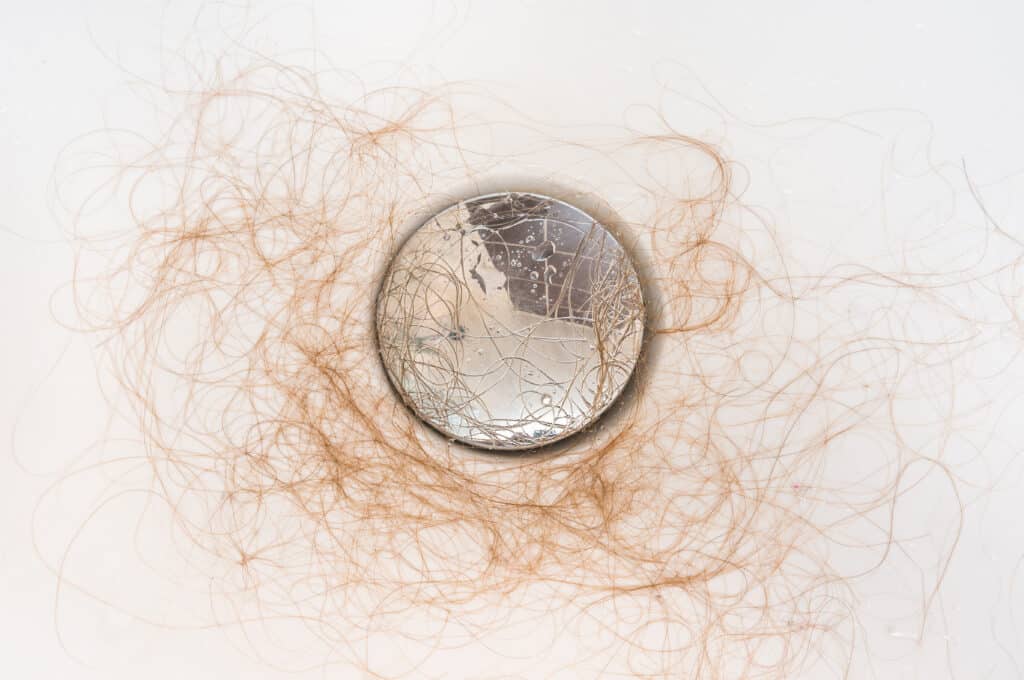
Even after you remove a clog, residue like grease, soap scum, hair, or mineral deposits can remain in your pipes. Over time, these materials can accumulate, eventually narrowing your pipes and causing slow drainage again. Cleaning the pipes after a clog removes any remaining debris, reducing the risk of another blockage forming soon.
Reduces Foul Odors and Bacteria Growth
Clogs often trap decomposing organic matter. Even if you’ve removed the blockage, leftover debris can create a breeding ground for bacteria and mold and cause odors that spread through your home. Thoroughly cleaning your pipes flushes out the lingering buildup, keeping your plumbing smelling fresh and your drains and home healthier
Protects Your Plumbing System
Debris left behind in your pipes can corrode metal pipes or stress plastic pipes, potentially leading to leaks or cracks. Regular cleaning after clogs helps maintain the integrity of your plumbing system, prolonging its lifespan and avoiding costly repairs.
Improves Water Flow and Efficiency
Residual buildup inside pipes can restrict water flow and reduce the efficiency of fixtures. Cleaning your pipes ensures water moves freely, preventing slow drains, backups, and strain on your water system.
Helps Identify Hidden Problems
When you clean your pipes after removing a clog, you can reveal underlying issues such as cracks, corrosion, or recurring buildup spots. Catching these problems early allows for timely repairs and helps you avoid more severe plumbing emergencies in the future.
Reduces the Risk of Future Emergencies
A thorough post-clog cleaning minimizes the likelihood of repeated clogs, pipe damage or stress, or leaks. Taking preventive action now saves time, stress, and money in the long run.

Signs You Need Pipe Cleaning After a Clog
While you should always clean your pipes after removing a clog, here are signs you shouldn’t put it off for too long:
- You still have slow-draining sinks, tubs, or showers
- You hear gurgling sounds after water drains
- You smell foul odors coming from drains
- You experience recurring clogs in the same location
How to Clean Your Pipes After Removing a Clog
Flush With Hot Water — Hot water helps dissolve soap scum buildup. For stubborn grease, oil, or fat, use dish soap as well as hot water.
Use an Enzyme Cleaner — Enzyme cleaners are powerful, safe, and environmentally friendly, clearing your drains and cleaning your pipes. Avoid chemical drain cleaners, as they can damage pipes and harm the environment.
Consider a Plumbing Snake or Auger — A snake or auger can help you achieve a deeper cleaning beyond what hot water or mild solutions can reach. Just be cautious so you don’t scratch or puncture pipes.
Hire a Professional — For stubborn clogs or aging pipes, consider hiring a professional to perform a thorough cleaning safely. They can use powerful hydro-jetting to remove stubborn clogs deep in your pipes.
How to Prevent Drain Clogs
To prevent severe clogs and keep your pipes clear:
Avoid Grease and Oil — Pour cooled liquid grease or oil into a sealable container and throw it in the trash instead of down the sink. Grease can solidify and block your pipes.
Scrape Food Into the Trash — Thoroughly scrape food scraps into the trash or add them to a compost bin before rinsing dishes.
Run Cold Water With the Disposal — If you have a garbage disposal, run cold water when grinding food scraps and continue to run it for a few seconds after you turn it off to clear the pipes.
Use Hair Catchers — Place a mesh screen or hair catcher on your shower or tub drains to collect hair before it gets into the pipes.
Avoid Flushing Non-Flushable Items — Don’t flush anything other than toilet paper and waste down the drain. This includes paper towels, sanitary products, flushable wipes, and cotton balls.
Inspect Your Sewer Line — Have your sewer line inspected by a professional every few years, especially if you have a history of clogs.
Don’t Forget About Your Pipes
You may feel like you solved the problem after cleaning a clog, but without cleaning your pipes afterwards, you will find the pipes blocked again in the near future. Taking a few extra steps to flush out residue, remove buildup, and inspect your plumbing not only keeps your drains running smoothly but also prevents sewer odors, damage, and costly repairs. Think of pipe cleaning as the finishing touch that ensures your plumbing stays healthy and problem-free for the long run.
Follow Us