When temperatures drop below freezing, your home’s plumbing system can suffer. Pipes and drains can freeze, causing not only an inconvenient problem but also leading to costly repairs, water damage, and major headaches. Fortunately, with a little preparation and awareness, you can protect your plumbing and avoid winter plumbing disasters.
Why Frozen Pipes Are a Big Deal
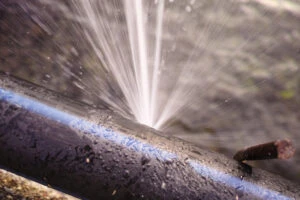
When water freezes inside a pipe, it expands. This expansion puts immense pressure on the pipe walls, which can cause the pipe to crack or even burst. Once the ice thaws, the damaged pipe can leak gallons of water in just minutes — potentially flooding basements, damaging walls, and ruining flooring. This damp environment can also lead to mold growth, put your home at risk of electrical shocks and fires, and attract termites and other pests.
Signs Your Pipes Might Be Freezing
Catch the problem early by watching for these warning signs:
- Little to no water coming from your faucets
- Frost and condensation on exposed pipes
- Strange gurgling sounds in drains
- Sewage or musty odors coming from sinks or drains (could be a sign of partial blockage from ice)
- Bulging or swollen pipes
- Water stains on the walls and ceiling, which could indicate a leak from a cracked pipe.
How to Prevent Frozen Pipes
Here are some effective steps you can take before and during cold weather to prevent frozen pipes:
Insulate Exposed Pipes — Wrap pipes in unheated areas, like basements, crawl spaces, attics, and garages, with foam insulation or heating tape. This will reduce heat loss, as well as lower your energy bills.
Seal Air Leaks — Cold drafts can quickly lead to frozen pipes. Check for gaps around windows, doors, and where pipes and vents enter your home, then seal them with caulk or weatherstripping.
Let Faucets Drip — Allow a small trickle of water to flow from your faucets connected to exposed pipes to keep water moving, making them less likely to freeze.
Open Cabinet Doors — In the kitchen or bathroom, open cabinet doors under sinks to let warm air circulate around the plumbing.
Keep the Heat On — Never set your thermostat below 55°F, even if you’ll be away for a few days. Consistent warmth plays a key role in preventing frozen pipes.
Extra Prevention Tips
Disconnect Outdoor Hoses — Always remove and drain garden hoses before the first freeze. Leaving them attached can cause the outdoor faucet (and connected indoor pipe) to freeze and burst.
Shut Off Exterior Water Lines – If your home has a dedicated shut-off valve for outdoor faucets or sprinkler systems, close it and drain the line completely.
Install Frost-Proof Faucets — Upgrade to frost-proof bibs to provide long-term protection against freezing.
Use Smart Leak Detectors — Consider installing smart water sensors that alert you to leaks or frozen pipe risks in real time.
Don’t Forget Your Drains
While pipes receive most of the attention, drains can also freeze, especially if they’re partially clogged. To prevent drain issues:
- Clear debris and grease buildup before winter hits
- Pour hot water down drains occasionally to keep them clear
- Make sure outdoor drains and sump pump lines are free of standing water and properly sloped for drainage
What to Do If a Pipe Freezes
If you suspect you have frozen pipes:
- Turn off the main water supply immediately
- Open nearby faucets to relieve pressure
- Use a hair dryer or space heater to gently and slowly warm the frozen section (never use an open flame).
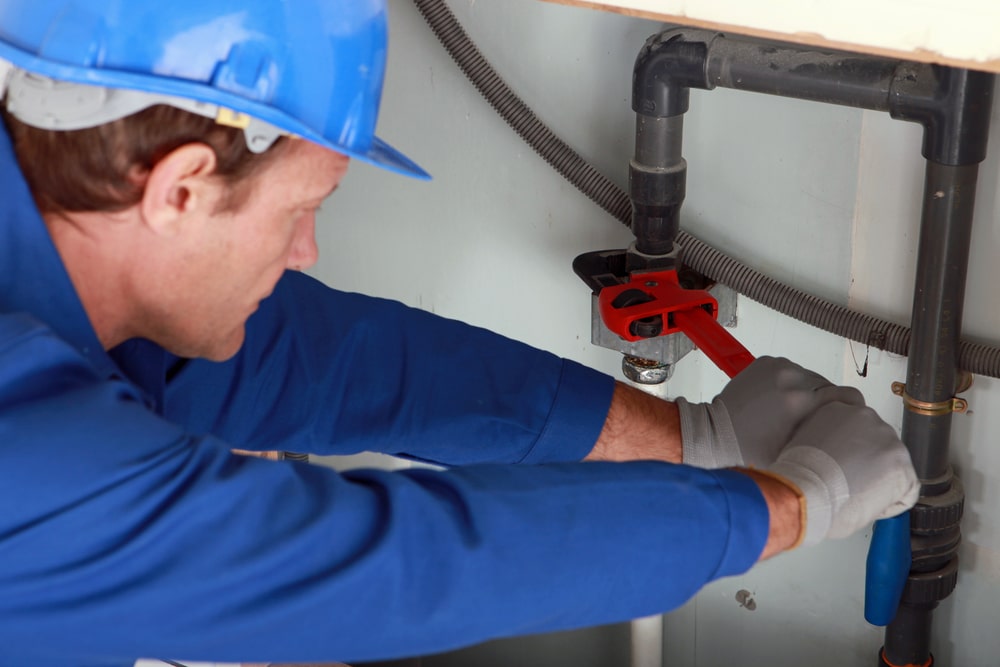
- Once thawed, check for leaks and call a plumber to inspect for damage.
- If you can’t access the pipe, turn up the heat on the thermostat and open cabinets to let the warm air circulate.
If a frozen pipe bursts, turn off the main water supply and call a plumber to assess the damage and make repairs. If the rupture is near electrical cables or wiring, turn off power to the area.
Stay Ahead of Winter Plumbing Problems

The best way to prevent frozen pipes and avoid a winter plumbing disaster is through prevention and regular maintenance. Schedule a professional inspection before freezing temperatures arrive, as an expert can identify vulnerable areas and help you safeguard your system for the season.
Avoid Winter Plumbing Disasters This Season
Frozen pipes and drains can quickly turn into costly, stressful emergencies if left unchecked. By taking simple preventive steps, like insulating exposed pipes, sealing drafts, and keeping your drains clear, you can greatly reduce the risk of damage this winter. Staying proactive with regular plumbing maintenance and professional inspections ensures your home stays warm, dry, and disaster-free all season long.
Follow Us