

Mold and mildew cause more than just an unsightly mess — they can pose real risks to your home and your health. These fungi thrive in damp, dark, and poorly ventilated areas, making your plumbing system a prime breeding ground. Fortunately, homeowners who invest in routine drain cleaning can keep mold and mildew at bay.
What is Mold and Mildew?
Mold and mildew are both types of fungi that thrive in moist environments.
Mold — Mold typically has a fuzzy, slimy, or raised texture. It can cause structural damage and produce irritants and toxins that lead to serious health issues. It also penetrates deep into surfaces, making it hard to clean up.
Mildew — Mildew is usually a powdery, flat growth that is white, gray, or yellow. It typically grows on surfaces like shower walls, windowsills, and other damp places. It is generally easier to remove than mold because it doesn’t penetrate deep into surfaces.
Mold and mildew both need damp conditions or moisture to thrive, consume various organic materials, and trigger allergic reactions and respiratory issues.
Why Mold and Mildew Love Drains
Drains provide the perfect environment for mold and mildew growth:
Constant Moisture — Drains are prone to standing water from slow drainage to leaks, creating the high humidity and dampness that fungi love.
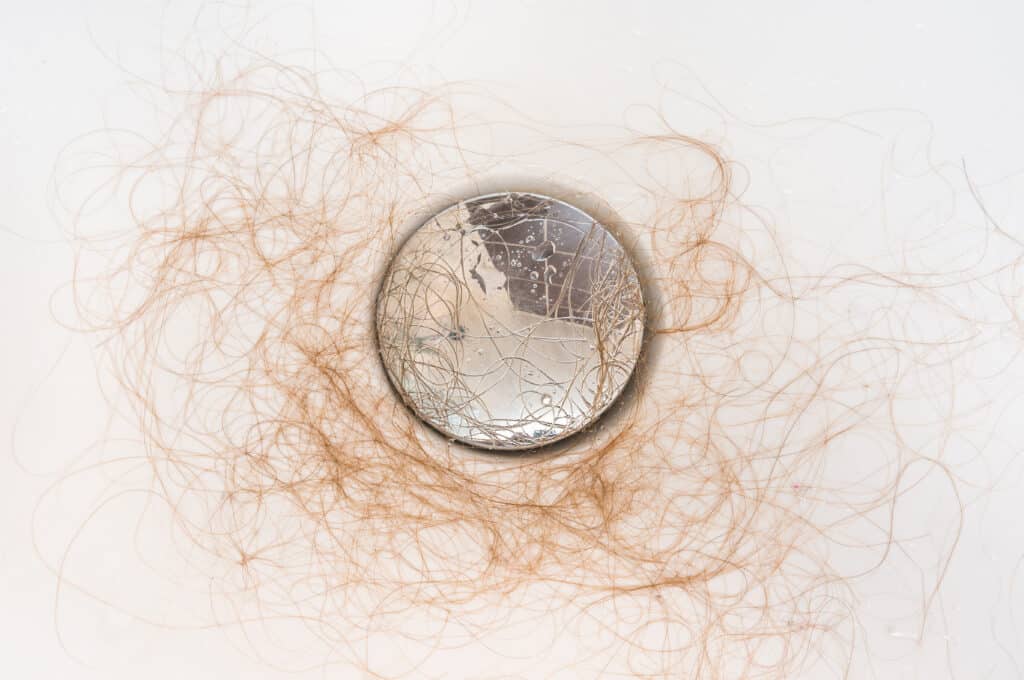
Food Source — Drains accumulate food particles, grease, soap scum, hair, and skin cells, which serve as organic matter for mold and bacteria to feed on.
Limited Airflow — The dark, enclosed nature of drain pipes provides poor ventilation, trapping moisture and mold spores, and creating a dark, humid environment for growth.
Biofilm Buildup — Slime and biofilm form in drains from bacteria, soap, and food waste, providing additional surfaces for mold and mildew to grow on.
When drains aren’t properly maintained, the lack of air, additional moisture, and debris buildup can create a breeding ground for growth that can spread into bathrooms, kitchens, and even behind walls.
Signs You May Have Mold in Your Drains
- A persistent musty smell even after cleaning the bathroom or kitchen.
- Gurgling or slow drains, which often indicate organic buildup inside the pipes.
- Visible mold growth around the drain covers or caulking.
- Recurring drain clogs despite regular household maintenance and cleaning.
The Connection Between Dirty Drains and Household Mold
If you’ve noticed a musty odor near your sinks or tubs, you most likely have mold or mildew growing in your pipes. From there, spores can circulate through the air or cling to nearby surfaces, leading to widespread problems, such as:
- Persistent bathroom odors.
- Mold or mildew spots around tubs, sinks, or tile grout.
- Increased allergy or asthma symptoms, as well as eye and skin irritation.
- Headaches, fatigue, dizziness, confusion, and nausea.
How Drain Cleaning Helps Prevent Mold and Mildew
Professional drain cleaners don’t just unclog pipes — they also prevent mold from taking root in the first place. Here’s how professional cleaning helps:
Removes Buildup — When pipes are clear of organic matter, mold and mildew has nothing to feed on.
Improves Drainage — Faster-flowing water equals fewer damp, stagnant conditions.
Eliminates Odors — A clean drain won’t have the musty, sour smell that fungi creates.
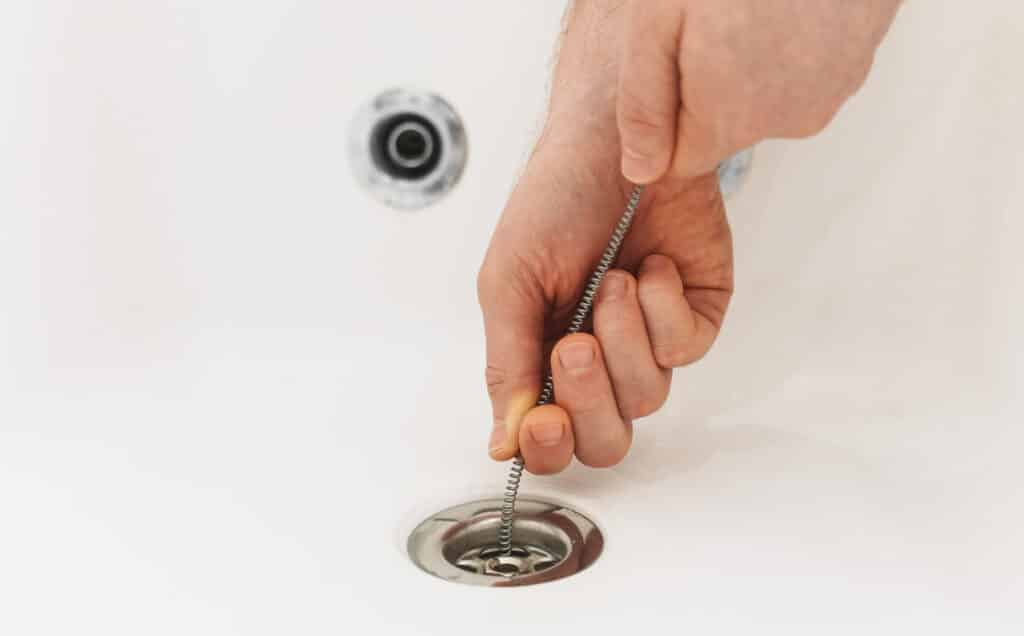
Stops Hidden Growth — Professional drain cleaners can reach spots you can’t see but mold and mildew can thrive in, leading to a more thorough clean and promoting a healthier plumbing system.
Prevents Pipe Damage — Regular cleaning reduces stress on your pipes, preventing corrosion and leaks that could lead to water damage and mildew and mold growth.
Tips for Homeowners
When professional drain cleaning is the most effective solution, you can also reduce mold risks with a few simple habits:
- Run hot water after using sinks or showers to flush debris.
- Avoid pouring grease or throwing food scraps down drains.
- Keep bathroom fans running and use your kitchen exhaust fan while cooking to reduce humidity.
- Clean the garbage disposal in your kitchen sink.
- Schedule routine drain inspections and cleanings to catch buildup early.
- Use a dehumidifier in high-moisture areas like bathrooms and basements to lower the amount of moisture and inhibit bacteria and fungal growth.
- Insulate cold water pipes to prevent them from sweating and creating condensation that can lead to fungal growth.
Schedule Drain Cleaning to Prevent Mold and Mildew
You often can’t eliminate mold and mildew by wiping down surfaces. You need to tackle what’s going on deep inside your drains. By keeping your plumbing clean and free of buildup, you can eliminate one of the main sources of excess moisture or organic material that feeds mildew and mold growth. Routine drain cleaning is a small investment that gives you a healthier, fresher, and safer home.
Follow Us