

When temperatures drop, many homeowners notice an unwelcome surprise: stronger sewer odors inside the house. It’s a common wintertime issue, and fortunately, one with explainable causes and straightforward solutions. If your home smells like sewage during the colder months, here’s what might be happening and what you can do to fix it.
Why Sewer Odors Get Worse in Winter
Cold Weather Causes Pipes to Contract
When plumbing pipes contract in cold temperatures, tiny gaps can appear at joints and seals. Even hairline openings allow sewer gases to escape, especially around toilets, floor drains, and vent pipe connections.
Signs:
- Odors are strongest near bathrooms or laundry rooms
- Smell worsens after flushing or when the heat turns on
Frozen or Blocked Plumbing Vents
Your home’s vent stack allows sewer gases to escape through the roof. In winter, frost, ice, or snow can partially block that vent, forcing gases back into your home.
Signs:
- Gurgling sounds coming from your sinks
- Slow drainage
- Odors that come and go with wind or temperature changes
Dry P-Traps From Lack of Use
Every drain has a P-trap, a curved pipe that holds a small amount of water to block sewer gases. In winter, when windows stay closed and indoor heat stays high, water in little-used drains can evaporate more quickly.
Common Culprits:
- Basement floor drains
- Garage or utility sinks
- Guest bathrooms
Cracks in the Sewer Line Can Worsen
Cold weather shifts soil and can worsen small existing cracks in underground sewer lines. Winter moisture can also saturate the ground, allowing sewer odors to travel more easily toward the home.
Signs:
- Persistent sewer smell outdoors
- Odor in the basement near the foundation walls
- Frequent backups or slow drains.
Increased Indoor Humidity
Running humidifiers, taking hot showers, cooking, and keeping your home sealed tightly all trap moisture indoors. Humid air holds sewer odors longer and spreads them more easily.
Septic System Issues
If you have a septic system, you may experience more prominent sewer odors due to frozen pipes/tank, drain field saturation, and extra toilet use due to holiday guests. Freezing conditions can also make it difficult for bacteria to break down sewage inside.
Signs:
- A strong odor around the tank or drainfield
- Standing water or soggy spots in your yard
- Slow drains or backups

What You Can Do About Winter Sewer Odors
Pour Water Down Unused Drains — Re-prime P-traps by pouring a few cups of water into every sink, shower, and bathtub drain. For floor drains, add a tablespoon of mineral oil to slow evaporation.
Check Toilets for Loose Seals — A failing wax ring lets sewer gases escape. If you notice rocking, moisture around the base, or persistent odors near a toilet, the seal may need replacement.
Apply Proper Insulation — Inspect your plumbing for any areas where insulation is lacking or has deteriorated. Patching up these open areas can help keep sewer gases from entering your home.
Clear Snow and Ice From Roof Vents — If you can do so safely, inspect your roof vent for snow buildup. If not, call a professional. Clearing the blockage often eliminates odors immediately.
Inspect Cleanouts and Basement Drains — Make sure caps are tight and contain water. This is a simple but often overlooked fix.
Improve Indoor Ventilation — Use exhaust fans while cooking and showering. Even cracking a window slightly for a few minutes can help disperse lingering odors and remove stale air.
Schedule a Sewer Line Camera Inspection — If odors persist, or if you’re seeing backups, hearing gurgling sounds, noticing soggy patches in the yard, or smelling sewage in your backyard, you should invest in a camera inspection. This can help you identify cracks, clogs, root intrusion, or partial collapses.
When to Call a Professional
You should contact a sewer and drain specialist if:
- Odors are strong or persistent
- Odors come with slow drains or backups
- You suspect a frozen or blocked vent
- You live in an older home with original sewer lines
- You want a camera inspection for peace of mind
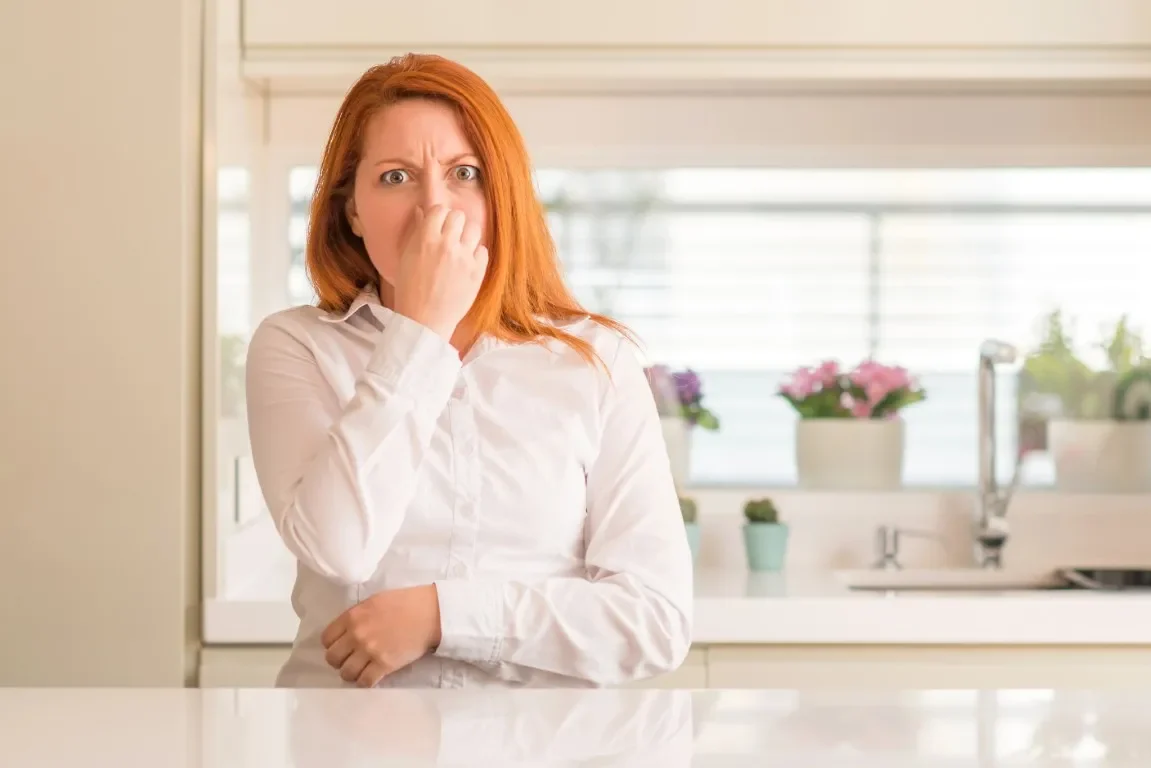
Sewer gas is not only unpleasant but it can also contain methane and hydrogen sulfide, which may be harmful in high concentrations. A professional can find the root cause and correct it safely.
Winter Doesn’t Have to Come with Lingering Sewer Odors
Winter puts extra stress on your plumbing system, making sewer odors more noticeable. Fortunately, most causes are fixable with simple steps or routine maintenance. But if the smell doesn’t go away, or you’d rather not climb on your snowy roof, Drain X can help diagnose the issue quickly and restore fresh, clean air to your home.
Follow Us