
How Spring Rain Can Overwhelm Your Sewer System
When spring arrives, it brings with it warmer temperatures, blooming landscapes — and a lot of rain. While those seasonal showers can help lawns and gardens thrive, they can put serious strain on your home’s sewer system. When the ground becomes saturated and stormwater systems fill beyond capacity, your sewer line may struggle to keep up.
Read More
From Sink to Sewer: How Your Home’s Drain System Works
Most homeowners don’t think about their drain system until something goes wrong, such as slow-moving water, a stubborn clog, a bad smell, or a full-blown backup. But understanding how your home’s drain system works can help you spot problems early, avoid costly repairs, and keep everything flowing smoothly.
Read More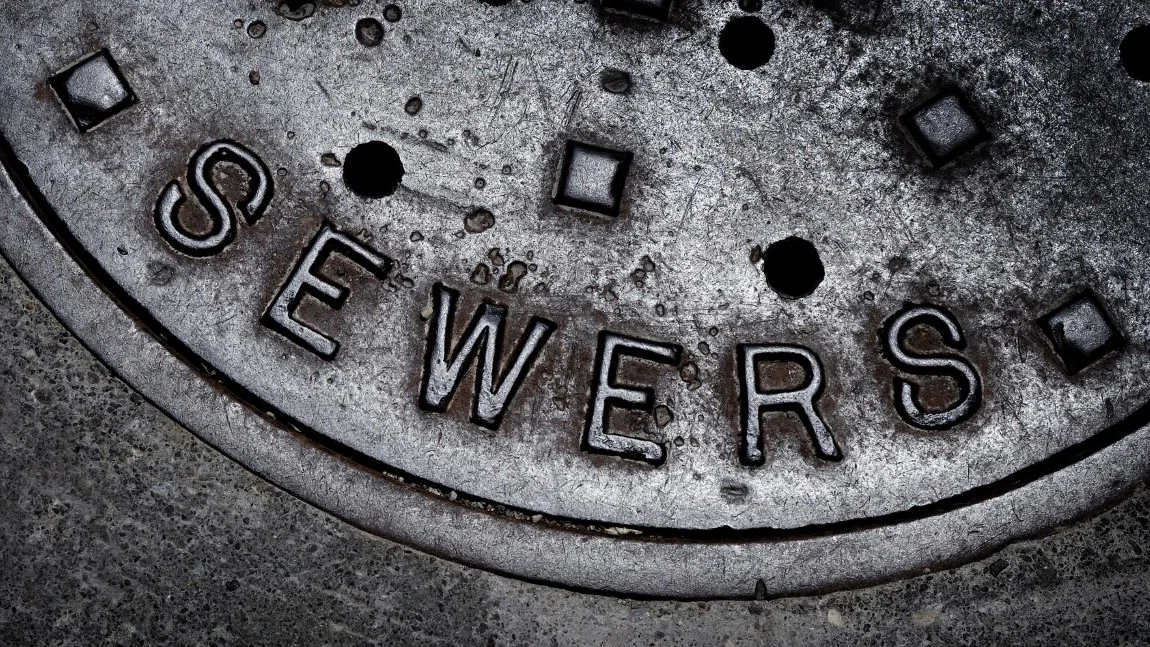
The Health Risks of Ignoring a Sewer Line Problem
Sewer line problems are not only inconvenient but they also pose serious health risks to your household if left unaddressed. Slow drains, foul odors, or recurring backups may seem manageable at first, but they often point to deeper issues that can expose you and your family to harmful bacteria, toxic gases, and structural hazards.
Read More
Why Sewer Odors Are Worse in Winter (and What to Do About It)
When temperatures drop, many homeowners notice an unwelcome surprise: stronger sewer odors inside the house. It’s a common wintertime issue, and fortunately, one with explainable causes and straightforward solutions. If your home smells like sewage during the colder months, here’s what might be happening and what you can do to fix it.
Read More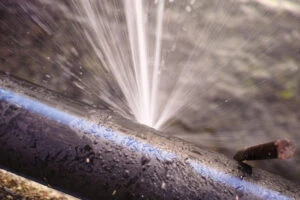
Winter Plumbing Guide: Preventing Frozen Pipes and Drains
When temperatures drop below freezing, your home’s plumbing system can suffer. Pipes and drains can freeze, causing not only an inconvenient problem but also leading to costly repairs, water damage, and major headaches. Fortunately, with a little preparation and awareness, you can protect your plumbing and avoid winter plumbing disasters.
Read More
Why You Should Clean Your Pipes After Removing a Clog
You may think your job is over once the water starts flowing again in your toilet, sink, or shower. However, just because you removed the initial clog doesn’t mean your plumbing is completely clear. Taking the extra time to clean your pipes after removing a clog can save you from future headaches and costly repairs.
Read More
- « Previous Page
- 1
- 2
- 3
- 4
- …
- 9
- Next Page »
Follow Us